

How AI Transformed the UAE Travel Sector
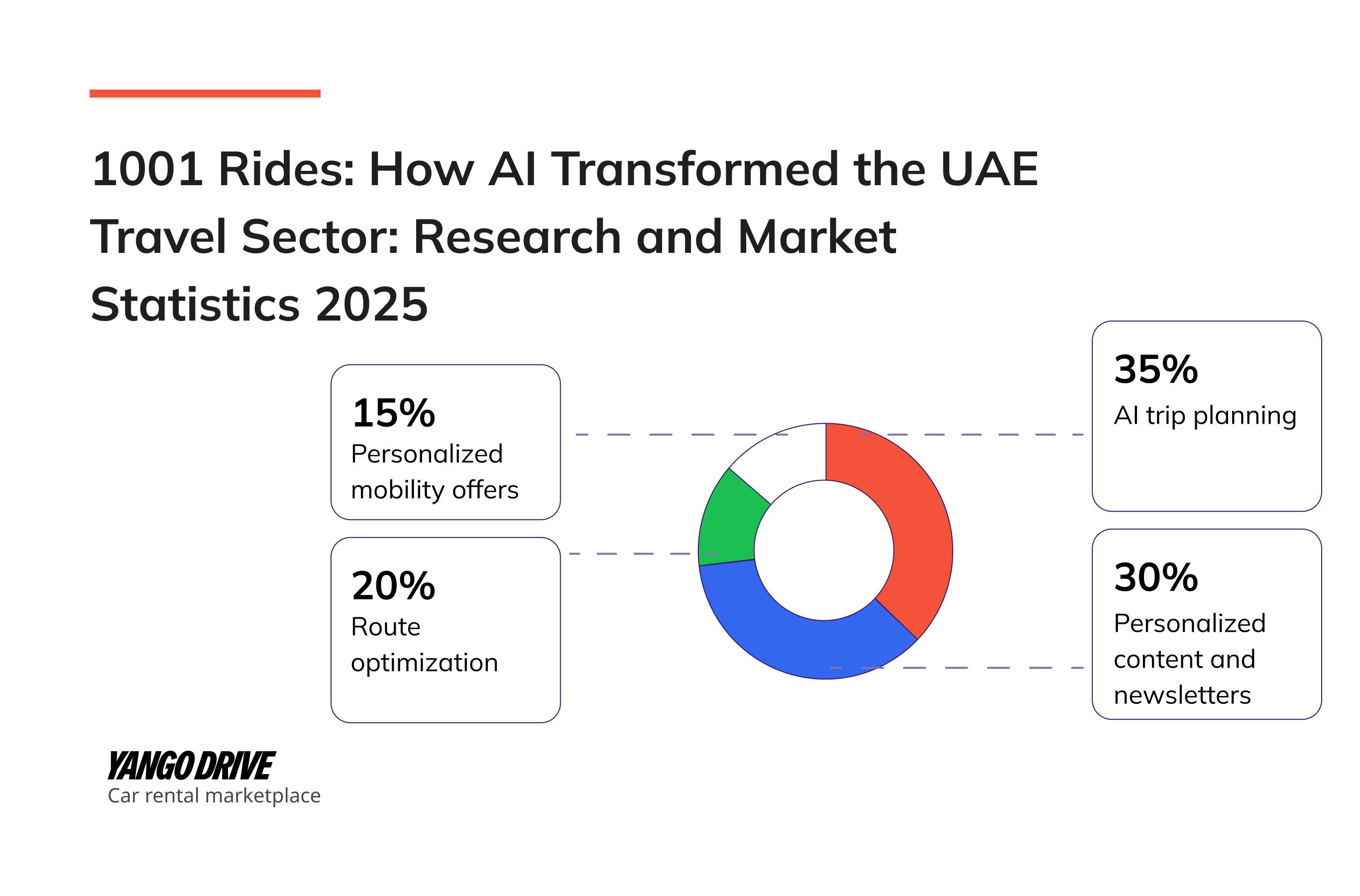
AI Transformed the UAE, Dubai Travel Sector
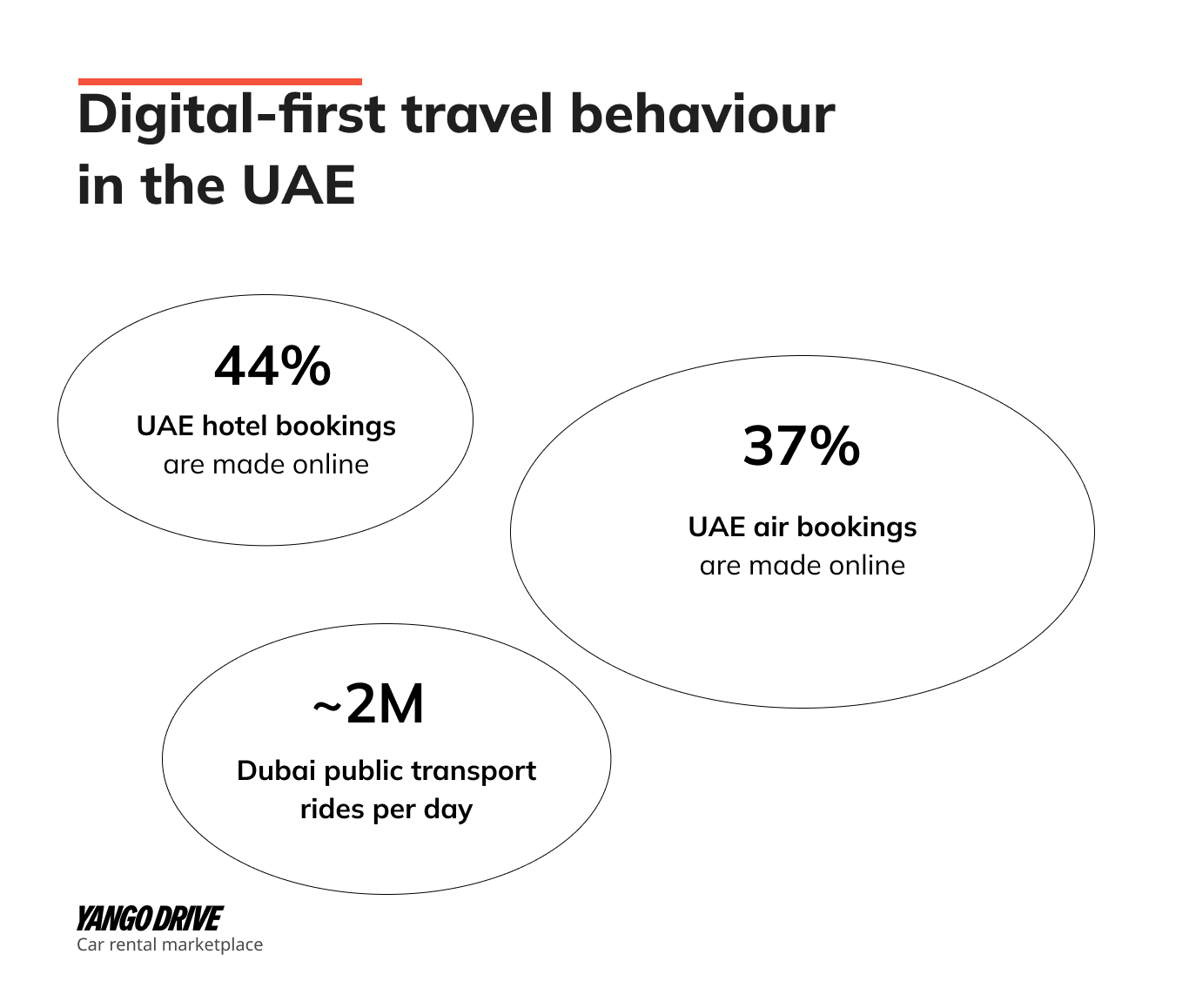
Digital-first travel behaviour in the UAE
We synthesized recent government and semi-government mobility and tourism statistics, global consumer surveys on AI adoption in travel planning
DUBAI, DUBAI, UNITED ARAB EMIRATES, February 23, 2026 /EINPresswire.com/ -- 1001 Rides has published a research report titled “1001 Rides: How AI Transformed the UAE Travel Sector”, examining how artificial intelligence and mobile-first consumer behavior are reshaping the travel journey in the UAE, with a particular focus on Dubai’s high-scale mobility ecosystem across public transport, taxis, ride-hailing, and car rentals.The report quantifies where AI is already producing measurable outcomes in travel and in-destination mobility and identifies segments that offer strong potential for ongoing machine-learning optimization.
Research methodology
The research is presented as a benchmark synthesis based on three evidence streams:
UAE government and semi-government mobility and tourism statistics (scale, volumes, growth),
Global consumer surveys on AI usage and willingness to use AI in trip planning,
Industry reports on digital booking behavior and marketplace economics.
The analysis consolidates the most recent available datasets and maps the travel funnel from discovery and planning through booking and in-trip mobility decisions.
Key findings
1. Travel decisions are increasingly mobile-first
Global travel purchasing is already predominantly digital. Approximately 65% of bookings were made online in 2023, while mobile continues to increase its share. In 2024, mobile accounted for about 70% of online travel traffic and 37% of all travel bookings, with further growth projected.
2. AI trip planning has moved beyond early adoption
Among experienced travelers, AI trip-planning adoption increased from 11% to 24%. Broader readiness also continues to grow, with more than 40% of travelers having already used AI trip-planning tools and more than 60% indicating openness to using them.
3. The UAE represents a high-signal environment for AI travel engines
The UAE combines approximately 99% internet penetration and about 97% smartphone usage with significant tourism volume. Dubai recorded 18.72 million international visitors in 2024 (up 9% year over year), while Dubai International Airport (DXB) handled 92.3 million passengers in 2024. These conditions generate diverse demand signals across languages, budgets, and mobility preferences.
4. The most measurable AI impact in mobility is operational optimization
Near-term impact is most visible in dynamic pricing, supply balancing, forecasting, and routing, rather than in full autonomy.
5. Car rental marketplaces form a data-rich optimization layer
In segments where fragmented supply intersects with highly variable tourist demand, marketplaces can learn from searches, clicks, bookings, and cancellations to improve ranking, matching, and conversion performance at scale.
For the full dataset, source references, and complete analysis, the full report is titled: “1001 Rides: How AI Transformed the UAE Travel Sector - Research and Market Statistics 2025.”
PR Department
Yango Drive Trading LLC
drive@support.yango.com
Legal Disclaimer:
EIN Presswire provides this news content "as is" without warranty of any kind. We do not accept any responsibility or liability for the accuracy, content, images, videos, licenses, completeness, legality, or reliability of the information contained in this article. If you have any complaints or copyright issues related to this article, kindly contact the author above.
